

Menu
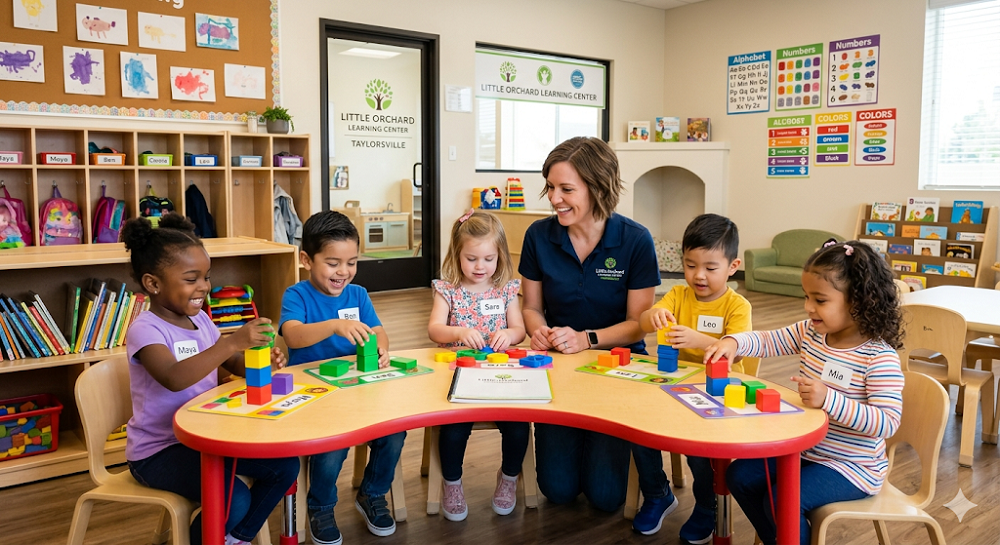
Choosing early childhood arrangements is one of the most significant decisions parents make for their families. Every family faces unique scheduling demands and financial considerations when weighing how to best support early development. Understanding how different environments shape early milestone achievement helps parents select the ideal setting for their family dynamics. The choice between early group settings and one-on-one care impacts a toddler's daily rhythm and learning opportunities.
Determining the ideal balance of structure and individual attention often involves comparing daycare vs home care options. Little Orchard Learning Center supports families across Utah by providing enriching early childhood education programs. Parents in Taylorsville, Farmington, Bountiful, and Kaysville can find tailored programs that foster milestone progression and community connection. Discover how our professional daycare services can elevate early learning experiences by contacting your nearest campus today.
There are several key areas of development you should consider here:
Group environments naturally encourage early social skill building through structured peer engagement. Children in these settings practice sharing resources, taking turns during activities, and navigating early group dynamics daily. Home settings offer deep sibling bonds but provide fewer opportunities for immediate conflict resolution with diverse peer groups.
Staying at home offers a high level of individual comfort and direct emotional security from primary family members. This close bond creates a strong foundation of safety for infants and toddlers during early infancy. Professional centers build emotional resilience by helping young learners form healthy attachments with multiple trusted educators.
Early education centers utilize research-backed curricula designed to target specific age-appropriate learning milestones. Trained teachers implement daily lesson plans that introduce early literacy and math concepts through play. Home care relies heavily on individual parent resources and available neighborhood activities to match this educational depth.
Evaluating how different environments impact daily routines helps clarify the choice between daycare vs home care.
Selecting a professional center does not diminish the vital role parents play in early upbringing. High-quality programs act as an extension of the family unit rather than a replacement for parental care. Educators work alongside parents to maintain consistency in behavioral expectations, potty training, and emotional development.
This collaborative approach ensures that children experience a unified support system between school and family life. Regular communication between teachers and parents reinforces learning concepts across both environments for maximum benefit. Ultimate developmental success happens when family values mix with professional early childhood expertise.
Identifying the right environment requires looking at specific operational standards and classroom interactions.
Navigating the daycare vs home care choice involves aligning family schedules with the developmental needs of your child. Little Orchard Learning Center helps parents bridge the gap by offering structured, nurturing classrooms designed for total growth. Families living in Taylorsville, Farmington, Bountiful, and Kaysville can visit our local classrooms to experience our educational community firsthand. Reach out today to schedule a campus tour and secure a bright start for your child's educational journey.


